
Table of Contents
- Why Many People Look for Sleep Apnea Treatment Alternatives for CPAP
- Oral Appliance Therapy for Sleep Apnea: A Leading Alternative
- Mandibular Advancement Device Effectiveness: What the Research Shows
- CPAP Intolerance Solutions: Other Medical and Surgical Options
- Lifestyle Changes That Support Sleep Apnea Treatment
- Insurance Coverage and Costs for Non-CPAP Treatments
- How to Transition from CPAP: A Step-by-Step Guide
- Frequently Asked Questions
Last Updated: September 30, 2026
Why Many People Look for Sleep Apnea Treatment Alternatives for CPAP
Sleep apnea treatment alternatives for CPAP exist because the machine, however effective, is one of the hardest therapies in medicine to stick with. Obstructive sleep apnea is a condition where the pharyngeal airway collapses repeatedly during sleep, and continuous positive airway pressure works by splinting that airway open with a steady stream of air. It is the gold standard for a reason.
Oral Appliance Therapy for Sleep Apnea: A Leading Alternative
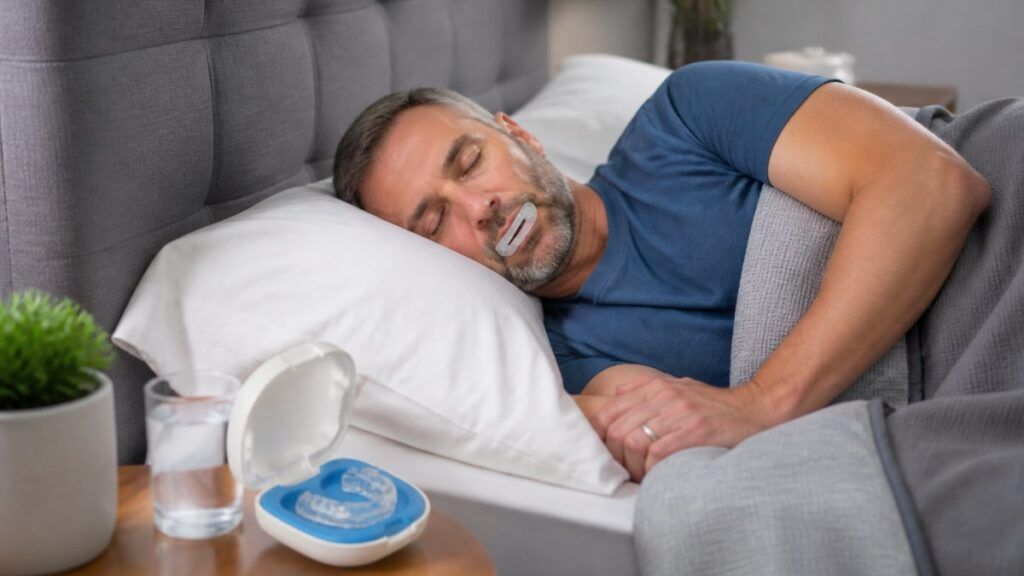
Oral appliance therapy for sleep apnea is a custom-made dental device that repositions the lower jaw and tongue to keep the pharyngeal airway open during sleep. It is the most widely used non-CPAP treatment for mild to moderate apnea, and it is the alternative most patients ask about first.
How Oral Appliances Compare to CPAP
CPAP delivers air pressure. Oral appliances reposition anatomy. That single difference explains everything about how they compare.
| Feature | CPAP | Oral Appliance |
|---|---|---|
| Mechanism | Air pressure splint | Jaw and tongue repositioning |
| Best for | Severe OSA | Mild to moderate OSA |
| Portability | Machine and power needed | Pocket-sized |
| Common complaint | Mask discomfort, noise | Jaw soreness, dry mouth |
| Adherence | Frequently poor | Generally better tolerated |
Mandibular Advancement Device Effectiveness: What the Research Shows
Mandibular advancement device effectiveness depends on severity. For mild to moderate apnea, oral appliances meaningfully reduce the apnea-hypopnea index and improve daytime sleepiness in many patients. For severe cases, they often reduce events without normalizing them.
Never buy a boil-and-bite appliance online and assume you are treated. An ill-fitting device can shift your bite permanently and still leave your oxygen saturation dipping at night. Custom fabrication and a follow-up sleep study are what separate treatment from a mouthguard.
CPAP Intolerance Solutions: Other Medical and Surgical Options
CPAP intolerance solutions extend well past dentistry. When a patient genuinely cannot wear the mask, sleep medicine specialists have several clinical pathways, and the right one depends on where the airway collapses.
Upper Airway Stimulation and Positional Therapy
Upper airway stimulation therapy, also called hypoglossal nerve stimulation, uses an implanted device that stimulates the nerve controlling the tongue. It senses breathing patterns and moves the tongue forward on each breath. It suits patients with moderate to severe OSA who cannot use CPAP and who meet specific implant criteria.
Surgical Interventions and Nasal EPAP
Surgical interventions for sleep apnea range from soft tissue surgery on the palate, tonsils, or nasal structures to maxillo-mandibular advancement, which moves the upper and lower jaws forward to enlarge the airway. Surgery is generally reserved for patients who fail or cannot use other options, and outcomes vary widely by procedure and by how well the surgeon identifies the actual site of collapse.
Lifestyle Changes That Support Sleep Apnea Treatment
No device works in a vacuum. Sleep hygiene, weight, alcohol timing, and sleeping position all change how much your airway collapses, and they stack with whatever treatment you choose.
- Weight management: Body mass index correlates strongly with apnea severity. Even modest weight loss reduces the respiratory disturbance index in many patients.
- Alcohol and sedatives: Both relax the throat muscles and worsen airway collapse. Avoiding alcohol within several hours of bedtime is one of the highest-yield changes.
- Sleep position: Side sleeping reduces events for many people with positional apnea.
- Nasal care: Treating allergies and congestion supports nasal expiratory resistance therapies and CPAP alike.
- Consistent schedule: Regular sleep and wake times support healthier sleep architecture.
Insurance Coverage and Costs for Non-CPAP Treatments
Cost is the question most clinical pages skip, and it is often the deciding factor in whether a patient ever gets off CPAP. The financial mechanics differ sharply by therapy, and understanding them before you commit saves both money and months of appeals.
How Payers Decide
Most commercial plans and Medicare treat CPAP as first-line therapy for obstructive sleep apnea. That means an alternative is usually approved only after documented CPAP failure, not patient preference. The documentation typically requires a sleep study confirming the diagnosis and a chart note showing a genuine intolerance issue: mask leak, pressure intolerance, claustrophobia, or a nasal obstruction that prevents mask use.
Coverage by Therapy Type
- Oral appliance therapy (OAT): Frequently covered under the medical benefit when billed by a dentist credentialed with the plan, but some plans classify it as dental and exclude it. This single classification difference can swing your out-of-pocket cost by hundreds of dollars.
- Upper airway stimulation (hypoglossal nerve stimulation): Covered by many plans for qualifying patients, but requires prior authorization and adherence to specific implant criteria (moderate to severe OSA, CPAP intolerance, and a body mass index within the labeled range).
- Positional therapy devices: Rarely covered; usually an out-of-pocket purchase.
- Nasal EPAP: Typically not covered; sold as a retail device.
- Surgical interventions: Coverage varies by procedure. Soft tissue surgery is more often covered than maxillo-mandibular advancement, which some plans classify as orthognathic rather than sleep-related.
What Drives Your Out-of-Pocket Number
Your cost is not the device price. It is the device price minus what your plan allows, minus what you have already met toward your deductible, plus any coinsurance. A patient with a met deductible and 20% coinsurance on a covered oral appliance pays a very different number than a patient on a plan that classifies the same appliance as dental with a separate annual maximum.
Three questions determine almost everything:
- Does the plan require a documented CPAP trial before approving an alternative?
- Is an oral appliance billed under the medical benefit or the dental benefit?
- Is prior authorization required, and what specific criteria must the chart note address?
Ask your insurer two questions before anything else: does the plan require a documented CPAP trial, and is an oral appliance billed under medical or dental benefits? The answer determines your out-of-pocket cost more than the device price does.
The Appeal Leverage Most Patients Miss
If a claim is denied, the denial letter must state the specific criteria you failed to meet. That letter is your roadmap. A sleep physician who documents the intolerance reason in the payer’s own language, mask leak, pressure intolerance, claustrophobia, converts a large share of denials into approvals on first appeal. Most practitioners find that the appeal succeeds more often than the initial submission, because the first submission rarely addresses the payer’s actual criteria.
How to Transition from CPAP: A Step-by-Step Guide
Transitioning off CPAP is a process, not a decision. The single most important rule: do not stop CPAP until a replacement therapy has been objectively verified to control your breathing. Untreated obstructive sleep apnea carries cardiovascular and metabolic risk, and a gap of weeks or months between therapies is not a neutral pause.
The Order That Works
- Get a current diagnosis on paper. You need your sleep study results and apnea-hypopnea index documented before any insurer will consider an alternative. If your original study is more than a few years old, your physician may want an updated one.
- Document your CPAP intolerance in clinical language. Note the specific problem, mask leak, pressure discomfort, claustrophobia, nasal obstruction, and have your sleep physician record it in the chart. Insurers want a clinical reason, not a preference.
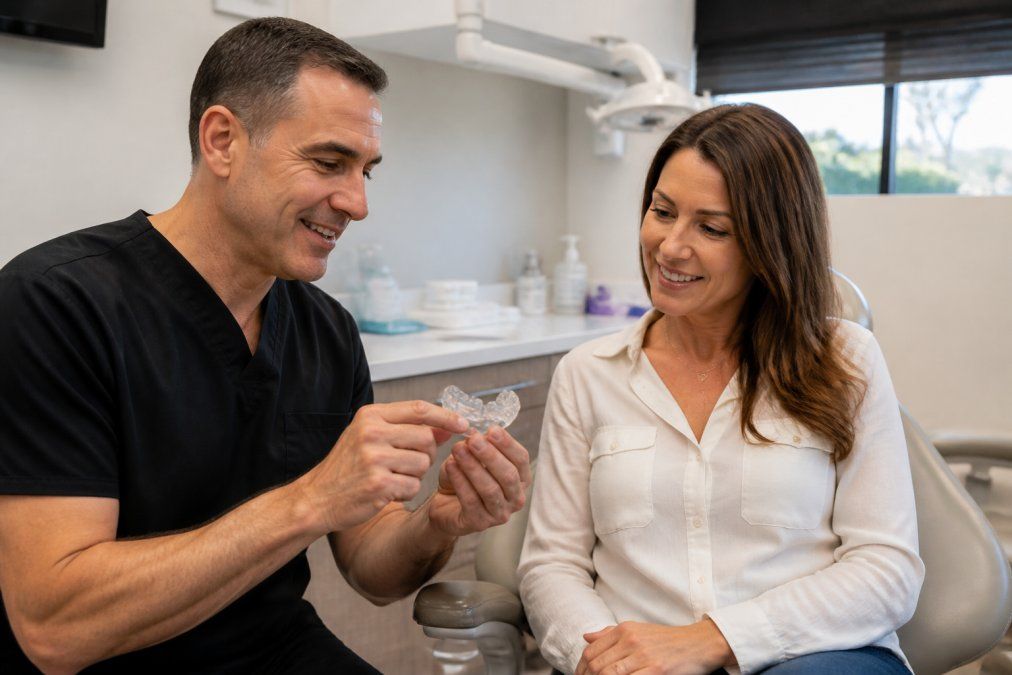
- Ask about an oral appliance evaluation. A dentist trained in sleep medicine assesses your jaw, bite, and airway to determine whether a mandibular advancement device is appropriate. Not every patient is a candidate; adequate protrusion and healthy dentition matter.
- Get the device custom-fitted. Impressions, bite registration, and fabrication typically take a few weeks. During this window, continue using CPAP.
- Repeat your sleep study with the device in place. This is the verification step. It confirms whether your apnea-hypopnea index actually dropped to a treated range. Without it, you are guessing.
- Adjust and follow up. Most devices need one or two refinement visits in the first months as your jaw adapts.
- Reassess annually. Weight changes, medications, and aging all shift your airway, and your treatment should shift with them.
What to Expect During the Overlap
A common pattern is a two-to-six-week overlap where you use the new therapy and keep CPAP available as a backup. If the new therapy is not yet verified, CPAP remains your safety net. Patients who stop CPAP the night the new device arrives are the ones who show up at follow-up with worsened daytime sleepiness and no data to explain it.
If the Alternative Does Not Work
Not every transition succeeds, and that is not a failure, it is information. If your repeat sleep study shows the apnea-hypopnea index did not drop into a treated range, the options are: adjust the device (more advancement, a different design), combine therapies (oral appliance plus positional therapy, for example), or return to CPAP with a different mask or pressure mode.
The Most Common Mistake
Never stop CPAP based on comfort alone. A new therapy must be verified with a sleep study before you discontinue the machine that is currently protecting your airway.
If your CPAP machine is sitting in a closet, you are not out of options. At The Kargodorian Smile Design Institute, Dr. Vram Kargodorian brings 29 years of clinical experience and Diplomate status in Implantology to the evaluation and fitting of custom oral appliances, including mandibular advancement devices designed for comfort and long-term wear. Our team assesses your bite, your airway, and your sleep study results together, then coordinates with your sleep physician on follow-up testing. Request an appointment to find out whether an oral appliance is the right alternative for your sleep apnea treatment.
Frequently Asked Questions
What can you do instead of using a CPAP?
Several sleep apnea treatment alternatives exist for those who cannot tolerate CPAP. Oral appliance therapy, such as a mandibular advancement device, is often a first choice for mild to moderate obstructive sleep apnea. Other options include positional therapy, lifestyle modifications like weight management, and upper airway stimulation. Surgical interventions and nasal EPAP devices are also available. A sleep medicine specialist can help determine which alternative suits your specific condition and health needs.
Is oral appliance therapy a viable substitute for CPAP?
For mild to moderate obstructive sleep apnea, oral appliance therapy can be a viable substitute, especially for patients who are CPAP intolerant. These devices reposition the jaw and tongue to keep the pharyngeal airway open. While they may not achieve the same apnea-hypopnea index reduction as CPAP in severe cases, many patients experience significant improvement in snoring reduction and daytime sleepiness. Adherence is often higher than with CPAP, which can lead to better long-term outcomes for some individuals.
How does Inspire therapy differ from traditional CPAP?
Inspire therapy, or hypoglossal nerve stimulation, is an implanted device that stimulates the nerve controlling tongue positioning during sleep. Unlike CPAP, which uses air pressure to keep the airway open, Inspire therapy works internally to prevent airway collapse. It is typically considered for patients with moderate to severe obstructive sleep apnea who cannot use CPAP. The device is activated by a remote and does not require wearing a mask or hose, addressing a major CPAP intolerance issue.
Can lifestyle changes effectively treat obstructive sleep apnea?
Lifestyle changes can be effective for mild obstructive sleep apnea and can complement other treatments. Weight management is particularly important, as excess weight contributes to airway collapse. Avoiding alcohol and sedatives before bed, sleeping on your side, and maintaining good sleep hygiene can also reduce symptoms. For moderate to severe sleep apnea, lifestyle changes alone are usually not enough, but they can improve overall treatment adherence and therapeutic efficacy when combined with oral appliances or other therapies.